Today’s readings: Psalms 122; 145, Zechariah 1:7-17, Revelation 3:7-13, Matthew 24:15-31
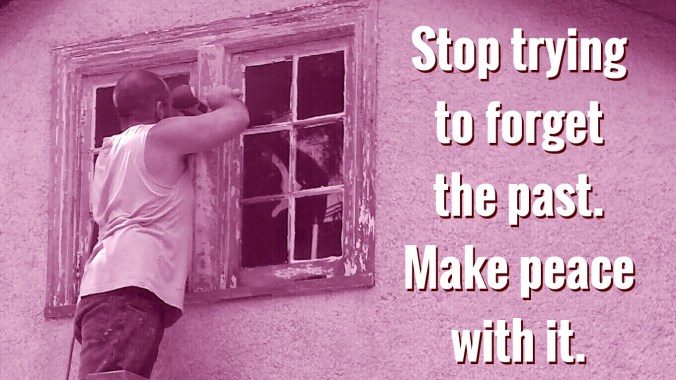
We’ve all heard the phrase “forgive and forget.” We can achieve the first part but is the second part possible? What we usually mean by “forget” is “don’t bring it up again.” Our past is always with us, and while we don’t have to be defined by it, we can’t pretend it never occurred.
Our lives are like old houses we can neither sell nor tear down. We may choose to preserve them, but that can lead to being saddled with old features that no longer serve us. Who wants an outhouse when the world offers indoor plumbing? Another option is restoration, but then we are faced with picking which period of our past was the best one to stick with, and sometimes there are no good options. That leaves us with renovation. We get to choose what to keep and what to rebuild, but sometimes we need to live with some load bearing elements which can’t be torn out without the whole thing falling down.
Participants in recovery programs like Alcoholics Anonymous learn to renovate their lives: to honestly acknowledge and deal with hurts done to them, and to make amends for wrongs they’ve done to others. It’s an ongoing process necessary to maintaining sobriety, and new acknowledgments and amendments may arise throughout their lives. They stop trying to forget the past and make peace with it.
The prophet Zechariah taught the Israelites to make peace with their past. They’d once fallen out of favor with God, but that period was over and it was time to rebuild. They couldn’t recreate the same society which had displeased God, but time in exile had taught them what was essential and what needed remodeling. They had been forgiven, but they were wise not to forget.
When creating peace in our own lives, we can’t start from the ground up, and ignoring bad foundations leads to disaster. A good renovation involves an honest assessment of the materials available, thoughtful planning, and hard work. In the end, a life rebuilt for peace is a shelter of love and security for ourselves and others.
Comfort: Our past does not define us but we can re-define our pasts.
Challenge: What about your past is rotting your foundation? Work to renovate it, calling in experts if necessary.
 When do you think the “Christmas Season” starts? Is it the (ever earlier) day when stores begin displaying Christmas merchandise? When the radio starts playing carols? Right after Thanksgiving? When the television starts showing Christmas movies? Are we heading into a state of perpetual holiday preparation, or is there an official beginning to the Christmas season?
 Comfort & Challenge