Today’s readings (click below to open in new tab/window):
Psalms 65; 147:1-11, 1 Samuel 12:1-6 (7-15) 16-25, Acts 8:14-25, Luke 23:1-12
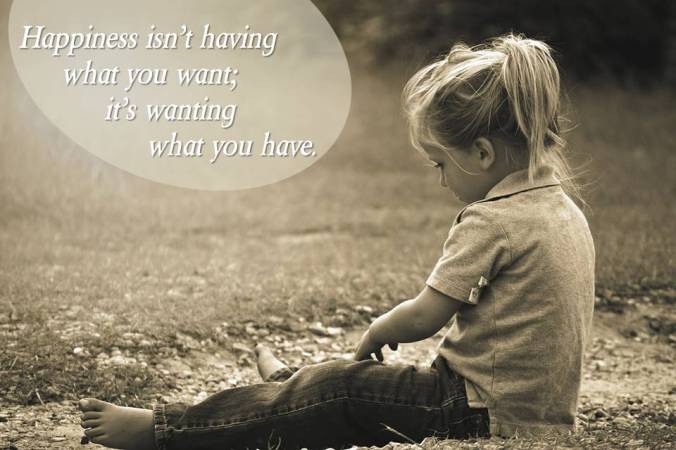
The musical Wicked is a study in contradictions. The Wicked Witch is a misunderstood outcast whose best intentions are used against her. Glinda the Good Witch has charm that hides her manipulative and ambitious nature. As in real life, no character is completely good or evil, but a complicated mix of motives and circumstance. As the second act opens, Glinda has gotten the boy and the fame she hoped for, but at the cost of her dear friend who has been slandered as wicked. As she celebrates her good fortune she also begins to realize it may be the very thing unraveling her happiness. She sings: “Because happy is what happens when all your dreams come true. Well, isn’t it?”
The people of Israel got the king they wanted when God appointed Saul. Yet, Samuel warned them, it was not what God wanted for them. If they or their king rebelled against their Lord, that Lord would turn against them. Once we get what we’ve asked for, we have to live with it … which can turn out to be more complicated and less satisfying than we’d anticipated. And if we’ve really pushed for it – alienating God, friends, or family in the process – we have few options left.
Centuries later the people of Israel got a different kind of king in the person of Jesus, and they didn’t want him. For a while they loved him, but when it became dangerous they turned on him. The authorities arrested him, mocked him, and twisted his words and teachings to convict him. Eventually Jesus just stopped answering questions; no matter what he said, it would be used to condemn him. Maybe that’s a sign that we’ve hardened our hearts too firmly toward what we want (or don’t want): we can’t even hear conflicting opinions.
Life constantly teaches us the differences among what we want, what we should want, and what we need. While we chase our dreams, let’s not trample the blessings we already have. As the Psalmist says, “We shall be satisfied with the goodness of your house, your holy temple.”
Additional Reading:
For more about today’s passage from Acts, see Money For Nothing.
Comfort: True happiness lies in seeking the Lord.
Challenge: Pray regularly about your goals and dreams to discern whether they are right for you; pray also to be grateful for what you have now.
Prayer: Thank you, generous Lord, for providing for my needs.
Discussion: How do you know whether you’re making a sacrifice to follow the right dream, or being stubborn and following the wrong one?
Join the discussion! If you enjoyed this post, feel free to join an extended discussion as part of the C+C Facebook group. You’ll be notified of new posts through FB, and have the opportunity to share your thoughts with some lovely people. Or feel free to comment here on WordPress, or even re-blog – the more the merrier!
 Comfort & Challenge