Today’s readings (click below to open in new tab/window):
Psalms 89:1-18; 147:1-11, 1 Samuel 20:1-23, Acts 12:18-25, Mark 2:13-22
“But he seemed like such a nice guy!”
“I never thought she would do something like that…”
How often have we heard similar sentiments after someone has been caught doing something wrong? We even hear them expressed by family members who we believe certainly must have known better. In Nuts, when the main character reveals that her stepfather abused her, her mother insists, “I didn’t know.” She replies, “You didn’t want to know, Mama.” When we love someone, or are otherwise invested in them, we often “don’t want to know.”
When David told Jonathan his father Saul was plotting to kill him, Jonathan’s response was basically, “No way! He woulda told me!” As if the spear marks in the wall from the two or three times Saul had previously tried to kill him were just nicks in the plaster, and Saul’s fits of anger and despair were a minor tic. Because David persuades him their close relationship might prevent Saul from being completely forthcoming, Jonathan concocts an elaborate scheme to let David know whether his suspicions pan out.
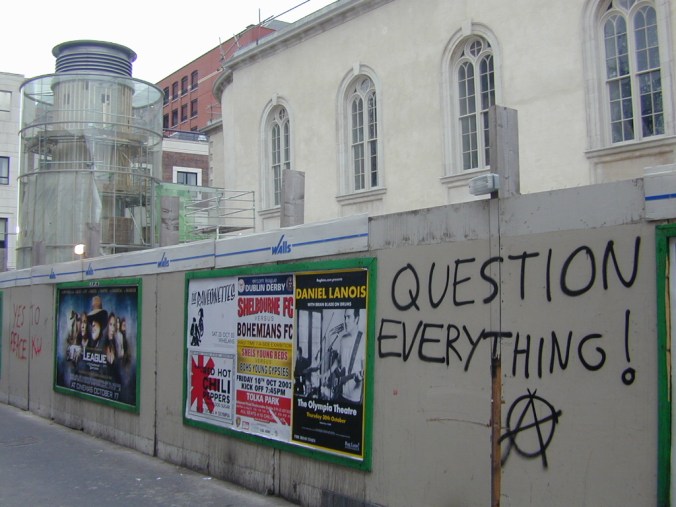
We need to be healthy skeptics, even of people we love.
Is that a discomforting thought? If so, let’s keep in mind the difference between being skeptical and being accusatory. We don’t have to assume guilt to be curious.
Predators and con artists survive on charm and our aversion to unpleasant truths. This preference for pleasant denial is so powerful that in families, social circles, or organizations where a person asks questions or speaks the truth, that person is often branded the problem. Are we really more willing to risk neglecting victims of abuse and criminal behavior than to risk offending someone by frankly verifying their intentions? If it seems like a tough call, ask yourself which you’d rather explain to Christ.
We don’t have to believe every accusation by default, for that is also foolishness, but as Paul wrote to the Thessalonians, “test everything, hold fast to what is good.” As Christians, we should be a safe place for people to share hard truths, even if we would rather not know them.
Additional Reading:
Read more about today’s passage from Mark in Gimme Some Skin.
Comfort: In the long run, an uncomfortable truth is better than a comfortable lie.
Challenge: Practice withholding judgment based on hearsay or opinion.
Prayer: Let your steadfast love, O LORD, be upon us, even as we hope in you. (Psalm 33:22)
Discussion: How do you think we balance love and skepticism?
Join the discussion! If you enjoyed this post, feel free to join an extended discussion as part of the C+C Facebook group. You’ll be notified of new posts through FB, and have the opportunity to share your thoughts with some lovely people. Or feel free to comment here on WordPress, or even re-blog – the more the merrier!

 Comfort & Challenge