
Today’s readings (click below to open in new tab/window):
Psalms 56; 149, Jeremiah 52:1-34, 1 Corinthians 15:12-29, Matthew 11:7-15
When Jerusalem finally fell to Babylon, it fell hard. The king’s sons were killed and his eyes were put out. Priests, councilors, officers, and random citizens were executed in a show of force and cruelty that ended in the exile of Judah. The Babylonians sacked the temple, looting everything down to the serving utensils and decorative bronze pomegranates.
No one could say they didn’t see it coming. From Israel’s first king Saul through her last king Zedekiah, nearly all of them betrayed the Lord and the people in significant ways. Time after time, the Lord allowed them to repent, and spared both king and kingdom. The Lord had no desire to see his people suffer, and was generous with forgiveness. But after more than twenty kings and nearly as many generations, the Lord’s warnings that nothing good would come from choosing to be led by kings were undeniable. Israel and then Judah fell to foreign invaders and for all intents and purposes ceased to be.
In time they would be restored, at least for a while. The period in between was one of grief not just for the Jewish people, but also for the Lord.
The Lord never delights in our suffering, but also doesn’t seem to stop us from bringing it upon ourselves. Our relationship with our creator is based on love, and love can never be forced. Is all our suffering a result of our own decisions? Certainly not. Many times it’s the fallout of other people’s decisions. Sometimes it’s unavoidable or unpredictable, like a disease or a disaster. But our stubbornness and hard hearts still cause us no end of grief. And at times it feels like the consequences of our actions return to dismantle us down to the smallest details of our lives.
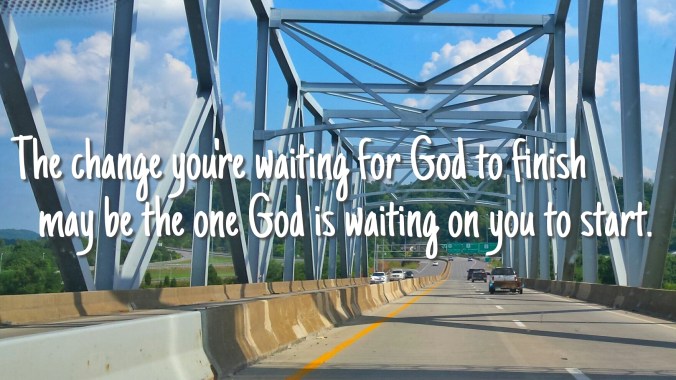
During those times, wouldn’t we prefer a God who, satisfied that we’ve learned our lesson, quickly snatches us from spiritual exile and restores us to good fortune? But easy fixes aren’t love either. Love stands by to offer the appropriate support while we fix ourselves … and sometimes it has to wait a long time for us to figure out both what we need to fix and the will to do it. No matter how long it takes, God waits.
When we feel undone by life, let’s cling to the certainty that God does not leave us, but grieves with us until we find our way back to wholeness.
Comfort: God is with you even when it doesn’t feel like it.
Challenge: If what you’ve been doing isn’t working … do something else.
Prayer: Open to me the gates of righteousness, that I may enter through them and give thanks to the LORD.. (Psalm 118:9)
Discussion: When the people of Israel eventually returned to their homes, they had to rebuild from the ground up. Have you ever had to rebuild instead of fixing?
Join the discussion! If you enjoyed this post, feel free to join an extended discussion as part of the C+C Facebook group. You’ll be notified of new posts through FB, and have the opportunity to share your thoughts with some lovely people. Or feel free to comment here on WordPress, or even re-blog – the more the merrier!
 Comfort & Challenge